If you’re feeling stuck, you’re not alone.
We see this all the time with homeowners in:
- Newburyport and Boxford
- Hampton and Rye
- York and Cape Elizabeth
You like where you live.
But your home no longer fits how you want to live.
So the question becomes:
Do you fix it, expand it, or start fresh?
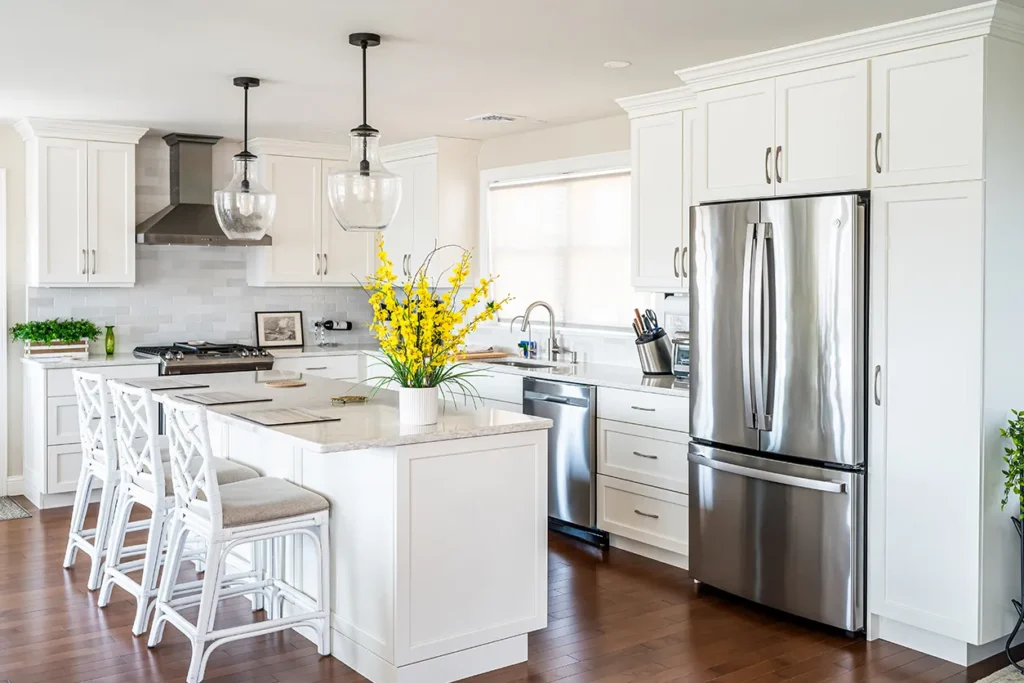
Option 1: Renovating Your Existing Home
Renovation makes sense when:
- The structure is solid
- The layout mostly works
- You want to improve finishes and function
Pros
- Stay in the home you know
- Lower disruption to your location
- Can be more cost-effective at smaller scale
Challenges
- Hidden issues (especially in older homes)
- Structural limitations
- Layout constraints
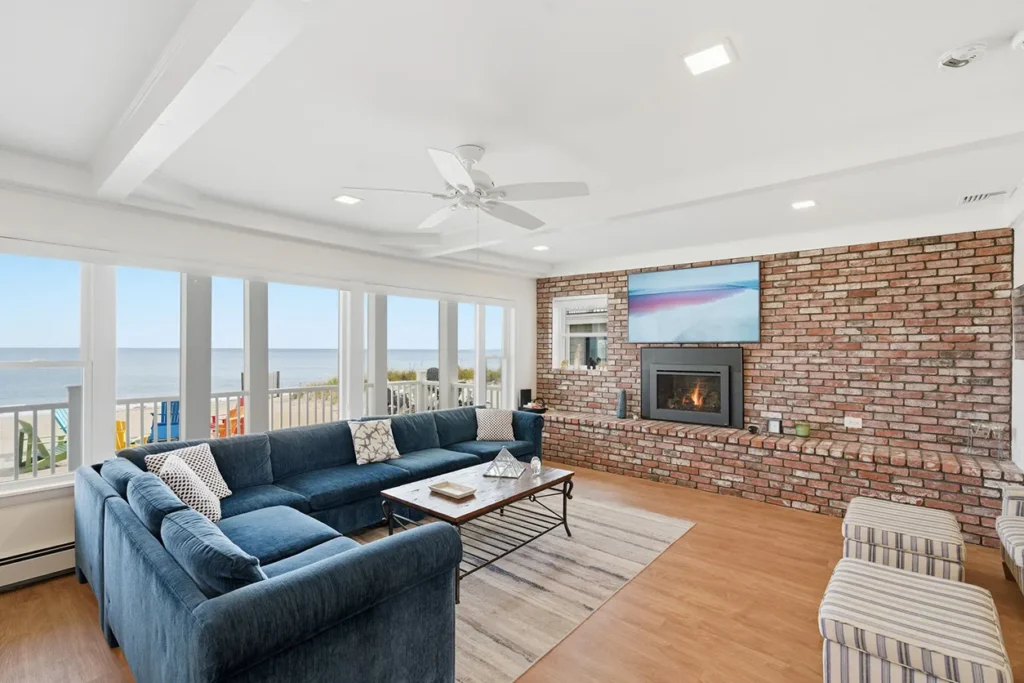
Option 2: Adding On
Additions are often the middle ground.
They work best when:
- You need more space, not a full reset
- The lot allows expansion
- The existing home can support it
Pros
- Keeps what works
- Adds meaningful space
- Improves how the home functions
Challenges
- Matching old and new
- Zoning and setbacks
- Costs can approach new build depending on scope
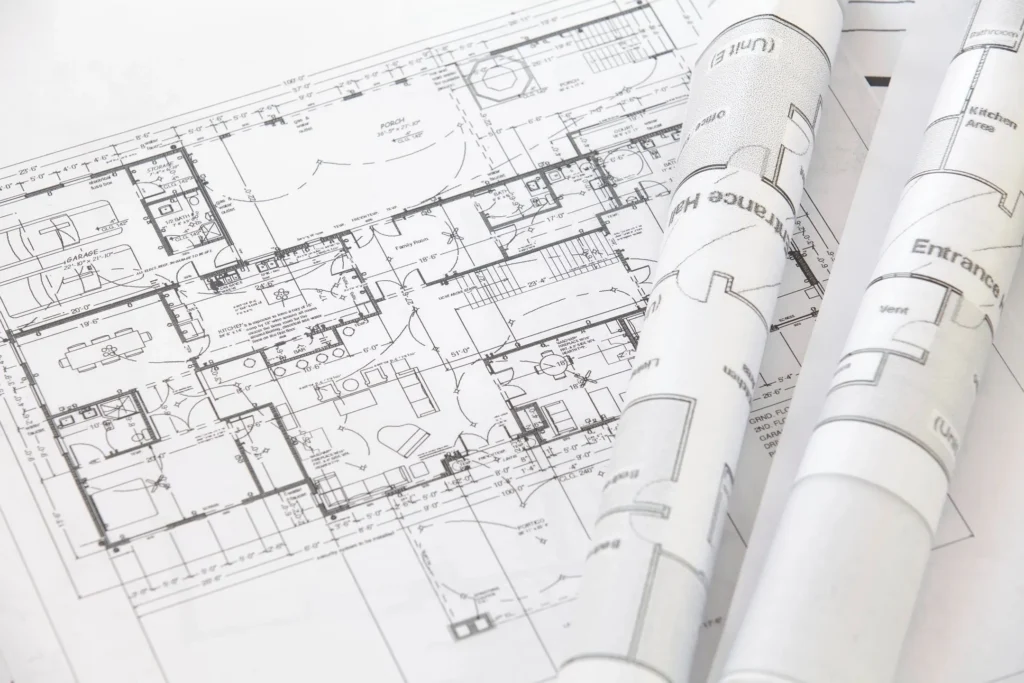
Option 3: Building New
Sometimes starting fresh is the smarter decision.
This is common in:
- Tear-down situations
- Homes with major structural limitations
- Areas with higher home values like Marblehead or Kennebunkport
Pros
- Complete control over design
- Modern efficiency and performance
- No compromises
Challenges
- Complete control over design
- Modern efficiency and performance
- No compromises
The Real Question to Ask
It’s not:
“Which option is cheaper?”
It’s:
“Which option gets me closest to what I actually want?”
Because in this market, the cost difference between a large renovation and a new build is often smaller than people expect.
Where Most People Get Stuck
They try to figure this out on their own.
Without:
- Real cost comparisons
- Understanding site limitations
- Knowing what’s actually possible
How We Help Clients Decide
At Wilson Co, this is part of pre-construction.
We look at:
- Your current home
- Your goals
- Your budget
- Your property constraints
Then we map out realistic options so you can make a clear decision.
Final Thought
There isn’t one right answer.
But there is a right answer for you.
And it comes from having the right information before you commit.
FAQs
Is it better to renovate or build new in Massachusetts or New Hampshire?
It depends on the condition of your existing home, your long-term goals, and your budget. In many North Shore and Southern New Hampshire properties, older structures can limit what’s possible with a renovation, making a new build a more practical option. A builder can help you compare both paths based on your specific property.
When does it make sense to add onto a home instead of rebuilding?
An addition is often the right choice when the existing home has a solid structure and layout but lacks space or functionality. It allows you to improve how the home lives without starting over, though zoning, setbacks, and integration with the existing structure all need to be considered early.
How do I know if my home is worth renovating?
A builder can assess your home’s structure, layout flexibility, and potential hidden issues early in the process. This helps determine whether investing in the current home will achieve your goals or if a new build would provide better long-term value.
How long does it take to renovate versus build a new home?
Renovations can take anywhere from a few months to over a year depending on scope and complexity. New builds typically take longer due to design, permitting, conservation and construction timelines, especially in Massachusetts and coastal areas where approvals can add time.
Why do many homeowners choose to rebuild instead of renovate?
In older homes, structural limitations, outdated layouts, and hidden issues can make renovations complex and costly. Rebuilding allows homeowners to create a space that fully fits their needs without compromising, which is why it’s often chosen in high-value areas.